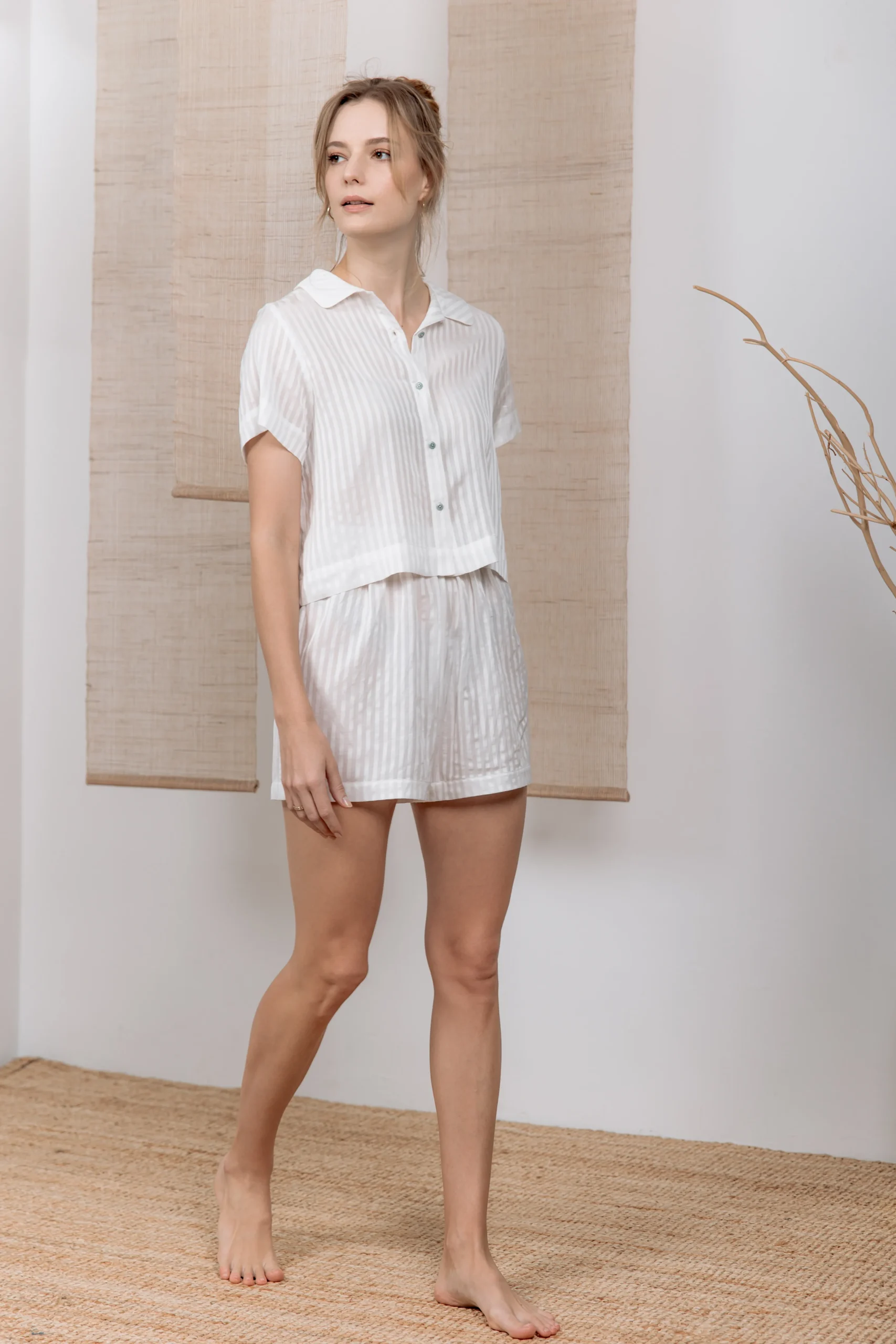
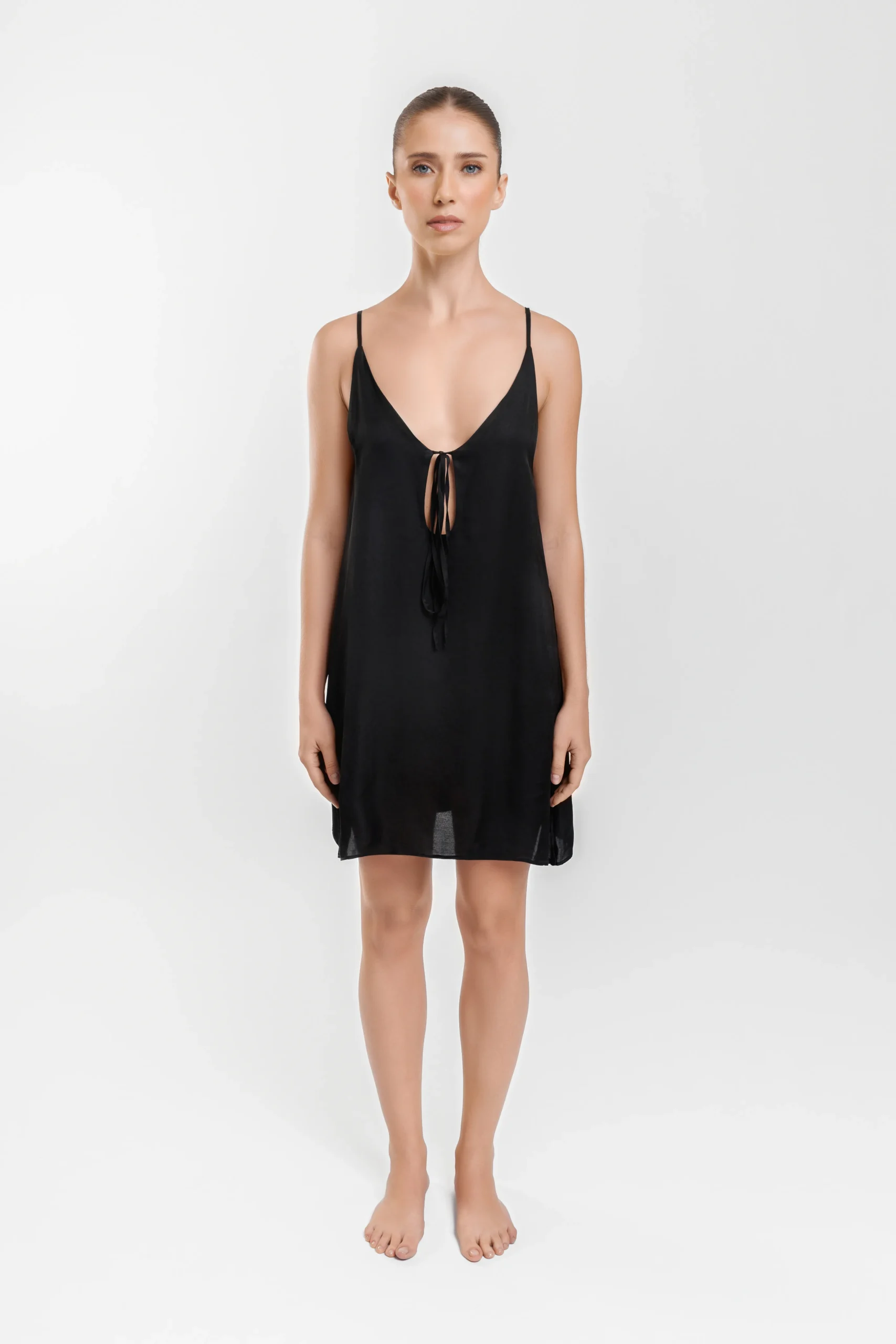
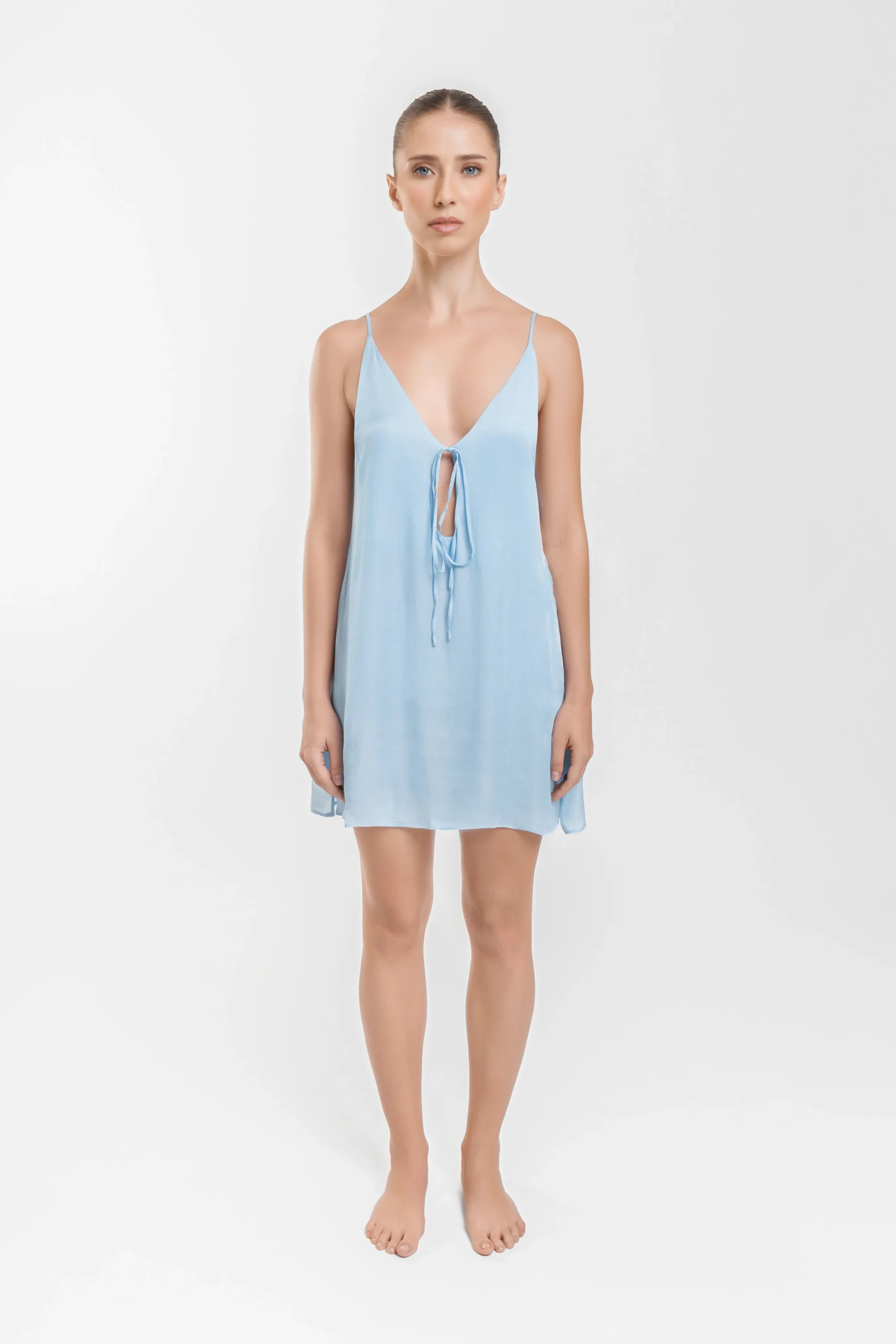
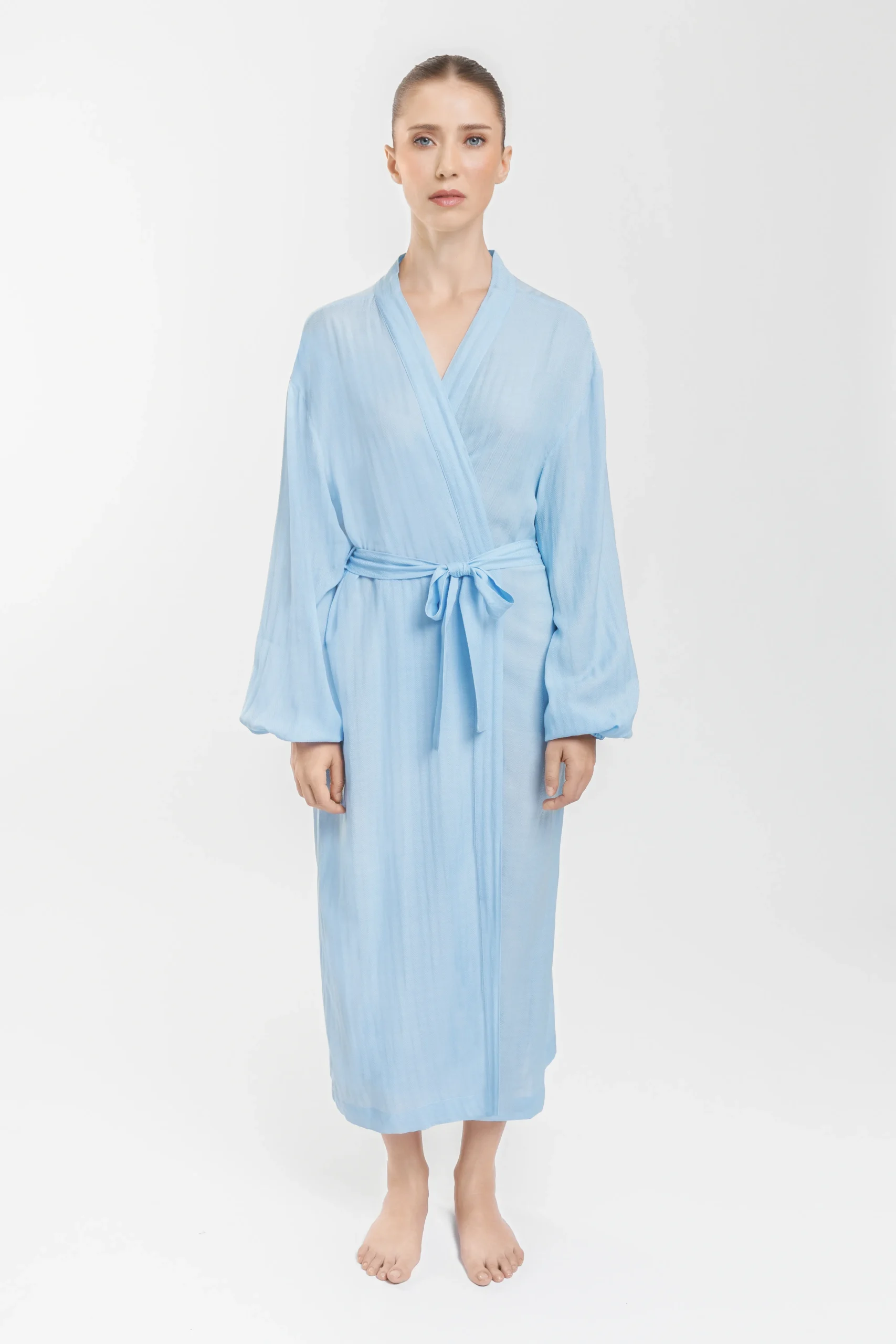
Across cultures and centuries, garments carried emotional meaning long before science offered an explanation for it: ceremonial dress marked transformation, color signaled celebration, and soft textures offered comfort during rest or recovery. There was an intuitive understanding, consistent across time and place, that clothing works on two registers at once: what it communicates through appearance, and what it transmits through direct contact with the skin. The behavior was always there. The language came much later.
When the phrase dopamine dressing appeared in fashion discourse, it borrowed scientific language rather than describing a measurable biological effect. Clothing does not release dopamine in a direct or clinically observable way. Instead, the term uses neuroscience metaphorically to describe garments that feel personally meaningful or emotionally supportive. Understanding this distinction is essential: the concept belongs to psychology and symbolism, not medicine.
The Science That Started It All
When the phrase dopamine dressing entered fashion discourse, it borrowed from neuroscience to describe something psychology had already been studying for years. Clothing does not release dopamine in any direct or clinically measurable way. The term uses neuroscience metaphorically, to capture the experience of wearing something that feels personally meaningful or emotionally supportive.
Understanding this distinction matters: dopamine dressing belongs to the territory of psychology and symbolism, and the science behind it is grounded there too. The closest research framework is enclothed cognition, a concept introduced by psychologists Hajo Adam and Adam Galinsky in a 2012 study published in the Journal of Experimental Social Psychology.
In their experiment, participants wearing a coat described as a “doctor’s coat” demonstrated improved attention compared with participants wearing the same garment labelled differently. The findings suggested that clothing may influence cognitive processes when it carries cultural or symbolic significance. It frames clothing not as a chemical trigger, but as a contextual influence shaped by expectation, identity, and physical sensation.
What Color Psychology Actually Proves
Color is where most people enter the dopamine dressing conversation, and color psychology research offers a more nuanced picture than popular culture typically presents. The work of researchers Andrew Elliot and Markus Maier shows that color carries symbolic associations shaped by culture, memory, and lived experience, and that these associations vary significantly between individuals and contexts.
The same shade of red can signal celebration at one table and urgency at another. The same blue can read as calm or cold depending on who is wearing it and where. The emotional impact emerges from the wearer’s relationship to that symbolism, not from the pigment itself.
Dopamine Dressing in Fashion Psychology
The phrase dopamine dressing is widely attributed to fashion psychologist Dr. Dawnn Karen, whose 2019 book Dress Your Best Life explored how clothing choices relate to identity, confidence, and emotional association. Karen described intentional styling as a practice of choosing clothing with deliberate awareness of how it affects mood and self-perception. Fashion publications adopted the term through the early 2020s, translating a psychological idea into editorial language that resonated because it gave people a way to talk about emotional dressing without relying solely on aesthetics.
By the time the pandemic reshaped daily life, the concept had built enough cultural momentum to shift how people thought about getting dressed. When social rituals fell away and the wardrobe lost its habitual anchor, people returned to clothing with a different kind of attention. They began dressing for themselves, often with more color and intention than before, and dopamine dressing gave that impulse a name. By 2022, dopamine dressing was declared the biggest fashion trend of the year, as runways and editorial coverage alike signaled a collective turn toward bold, saturated colors.
Beyond Colors: The Shift Toward Sensory Experience
As the dopamine dressing conversation matured, fashion psychologists began building a more layered picture of what it means to dress for emotional wellbeing. The foundational research on enclothed cognition had established that clothing shapes experience through symbolic meaning and physical sensation combined. What followed was a broader recognition of just how continuously that physical dimension operates.
The feel of a fabric against skin, the way a garment moves through a long day, the weight of something well-made – all of these send signals to the nervous system that shapes mood and sense of self. Silhouette influences posture, and posture influences emotional state. The conversation shifted from how a garment looks to how it feels across hours of wear.
Dopamine Dressing in 2026: A Daily Practice
In 2026, dopamine dressing has settled into something more lasting than a trend. It has become a way of relating to clothing, one built on presence rather than performance, and on daily experience rather than a single curated moment. It lives in the body’s responses: the ease of a well-cut garment on a long day, the lift that comes from a color chosen with care, the warmth of wearing something that carries personal meaning. A well-worn jacket that still fits perfectly.
A fabric that breathes through an afternoon of movement. A piece that holds the memory of a good day and brings something of it forward. These are ordinary things, and yet they are present at every wear. The shift in how dopamine dressing is understood in 2026 is this: it has moved from expression to practice. It is built through small, conscious choices made , through the willingness to let genuine feeling guide what we reach for, and through the understanding that clothing, chosen with intention and self-awareness, can be a steady form of support.
How to Start: Your Dopamine Dressing Guide
Finding a way into dopamine dressing begins with a moment of honest awareness, taken before reaching into the wardrobe rather than after. The question is a simple one: how do I want to feel today? That single shift, from dressing automatically to dressing with intention, is where practice takes root.
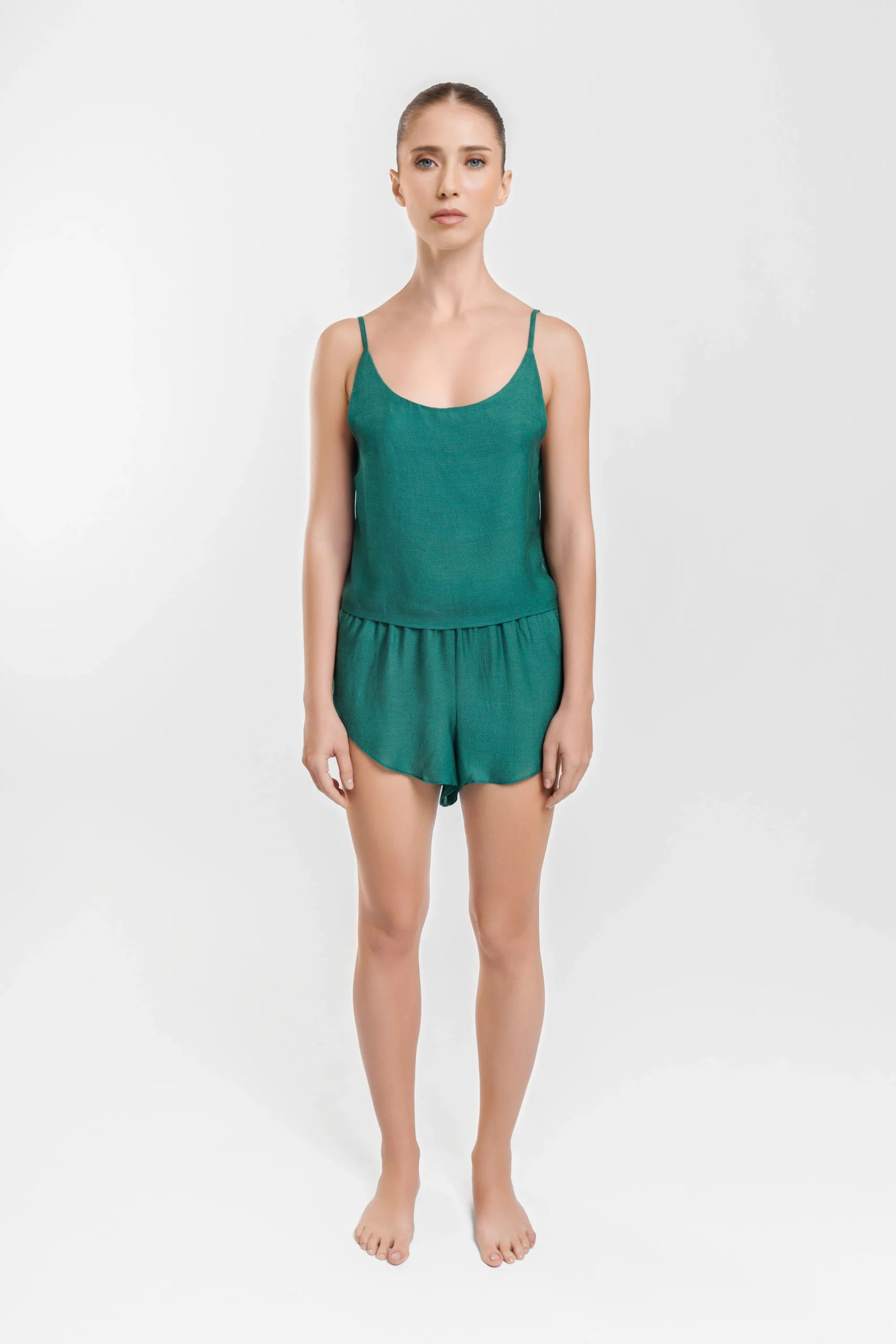
Colour is often the most direct entry point. Taking a personal colour analysis test is a grounded first step: it identifies the specific hues that respond well to your individual colouring and, in turn, tend to influence your mood most consistently.
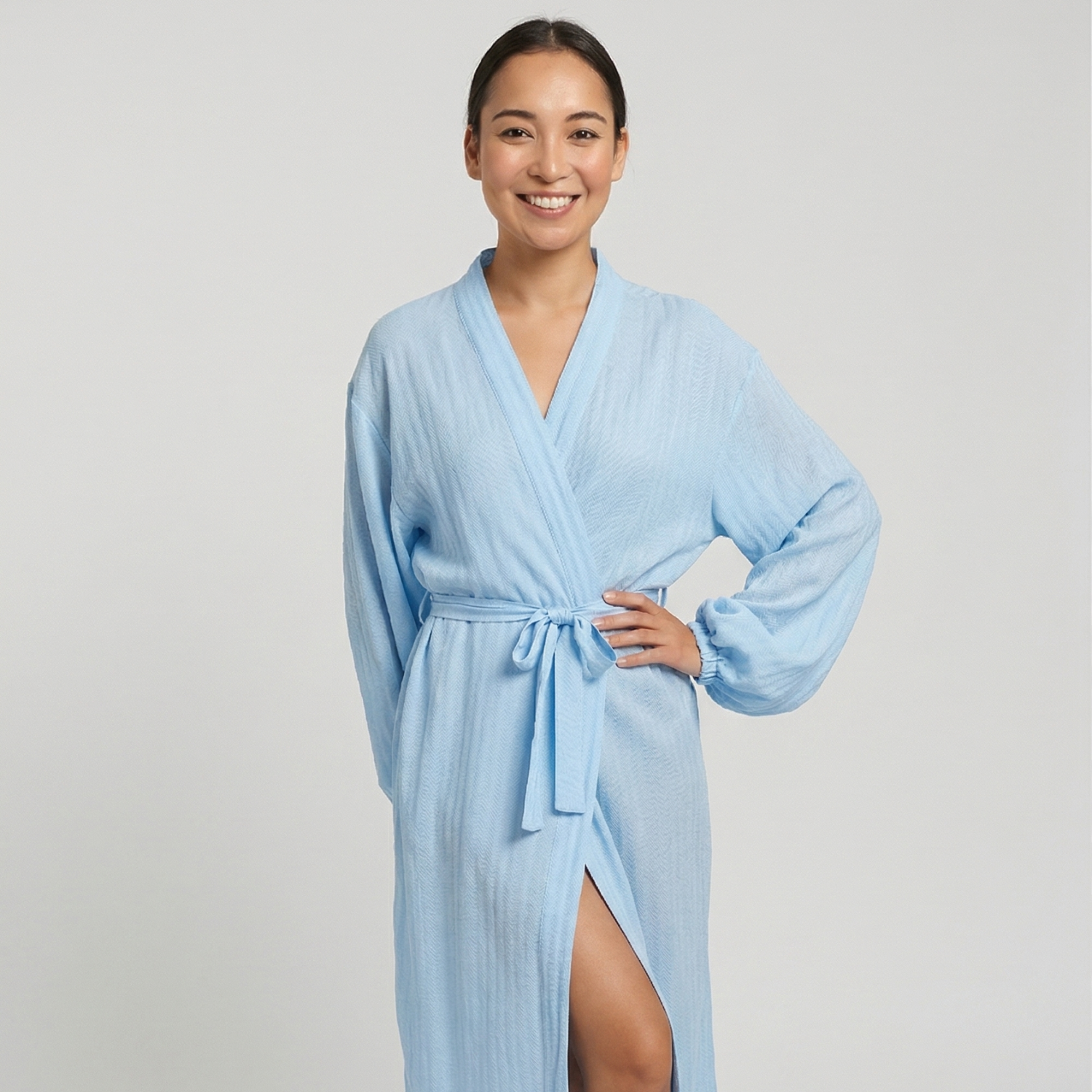
Texture deserves equal consideration. Running a hand along different fabrics and noticing the response, some materials feel anchoring, others feel airy and freeing, builds awareness of what the body finds genuinely comfortable across a full day. This becomes especially relevant for pieces worn closest to the skin, where the physical sensation is most continuous.
Nostalgia is another resource worth drawing on. A garment that carries a good memory, a favourite piece from a meaningful time, a gift worn with awareness of where it came from, brings an emotional dimension that colour alone cannot replicate. When building a wardrobe with emotional intention, pieces with personal history are worth keeping close.
What matters most, at any stage of this practice, is the quality of attention brought to it. Dopamine dressing develops through observation accumulated across days and seasons, through learning which colours, textures, cuts, and pieces consistently create a sense of uplift or groundedness. Understanding deepens over time, and so does the conscious wardrobe that grows from it.