People have always cared about wellness, even before we had a word for it. Long before the term existed, people sought ways to strengthen the body, calm the mind, and prevent illness. From gathering around hot springs to early healing practices, there was an instinctive understanding that health involved more than survival alone.
The word wellness entered the English language in the mid-17th century. The Oxford English Dictionary traces its earliest use to the 1650s, where it broadly referred to a state of good health, often understood as the opposite of illness.
Over time, the meaning expanded. Rather than focusing only on the absence of disease, wellness came to describe an active process of supporting physical and mental health through daily practices such as movement, rest, and nourishment.
In 2026, there is a return to this foundational understanding. Wellness is no longer viewed as a distant goal, but as a steady presence of care – built through daily rhythms, supportive surroundings, and practices that integrate naturally into everyday life.
From Occasional Rituals to Everyday Experience
In recent years, wellness often lived in specific moments: a morning workout, a meditation session, a weekend reset. These were dedicated practices – intentional, but separate from the rest of life.
In 2026, that boundary has dissolved. Wellbeing now unfolds continuously – while commuting, working, travelling, and resting. It is shaped by how long we sit, how often we move, how our skin reacts to heat, how easily we can breathe and unwind. Ordinary moments matter more than ever, because they constitute the majority of our lived experience.
This shift has drawn attention to the environments we move through and the materials we interact with daily – from the spaces we inhabit to the fabrics that rest against our skin for hours at a time.
The Body as a Daily Reference Point
Wellness in 2026 is increasingly preventive rather than corrective. Rather than waiting for symptoms to demand attention, people are learning to interpret the body’s early signals – the subtle indicators that often precede larger issues.
A sense of warmth building in the chest. Tightness gathering in the shoulders. The heaviness that follows certain meals. A dip in energy that suggests something deeper than simple tiredness. Minor irritation that hints at discomfort to come.
These cues, once dismissed or overlooked, are now recognized as valuable information. They are addressed early, with care rather than urgency, before they intensify into something that disrupts daily life.
This shift represents a fundamental change in approach: responding to the body before discomfort becomes overwhelming, choosing what feels genuinely supportive rather than simply manageable, and allowing physical sensations to guide decisions throughout the day.
The result is a gentler form of wellness – one built on attentiveness rather than intervention, on small adjustments rather than dramatic corrections.
Personalized, Not Prescribed
In 2026, wellness is no longer about following universal protocols or copying what works for others. It has become deeply personal – shaped by individual needs, rhythms, and circumstances rather than one-size-fits-all solutions.
This means moving away from accumulation. Not more supplements, more tracking apps, more optimization routines, or more products promising transformation. Instead, it asks: What actually serves me?
The focus has turned inward: designing a routine that works for your body and your life, rather than following what everyone else is doing. Listening to what you actually need rather than cycling through every new wellness trend. Building something simple enough to follow consistently, rather than forcing yourself to maintain elaborate systems that eventually fall apart.
This approach requires honesty and discernment. Does this actually serve me? Does this fit how I live? Can I sustain this without constant effort?
The result is a form of wellness built on self-knowledge rather than external validation – one that grows clearer and more sustainable over time.
The Materials and Environments We Inhabit
Wellness in 2026 extends beyond individual practices to encompass the physical world we inhabit – the materials we interact with, the spaces we occupy, and the environments that surround us throughout the day.
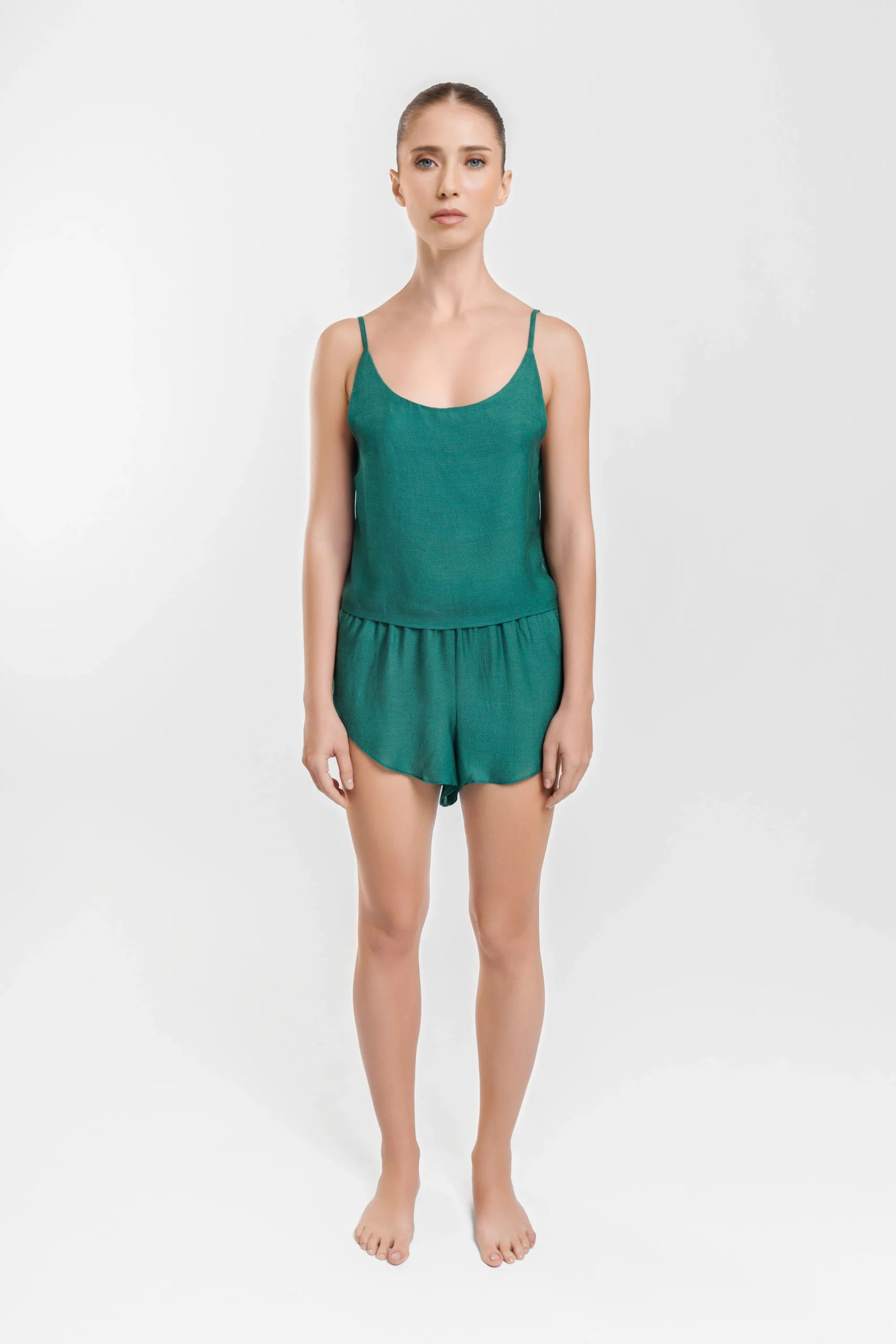
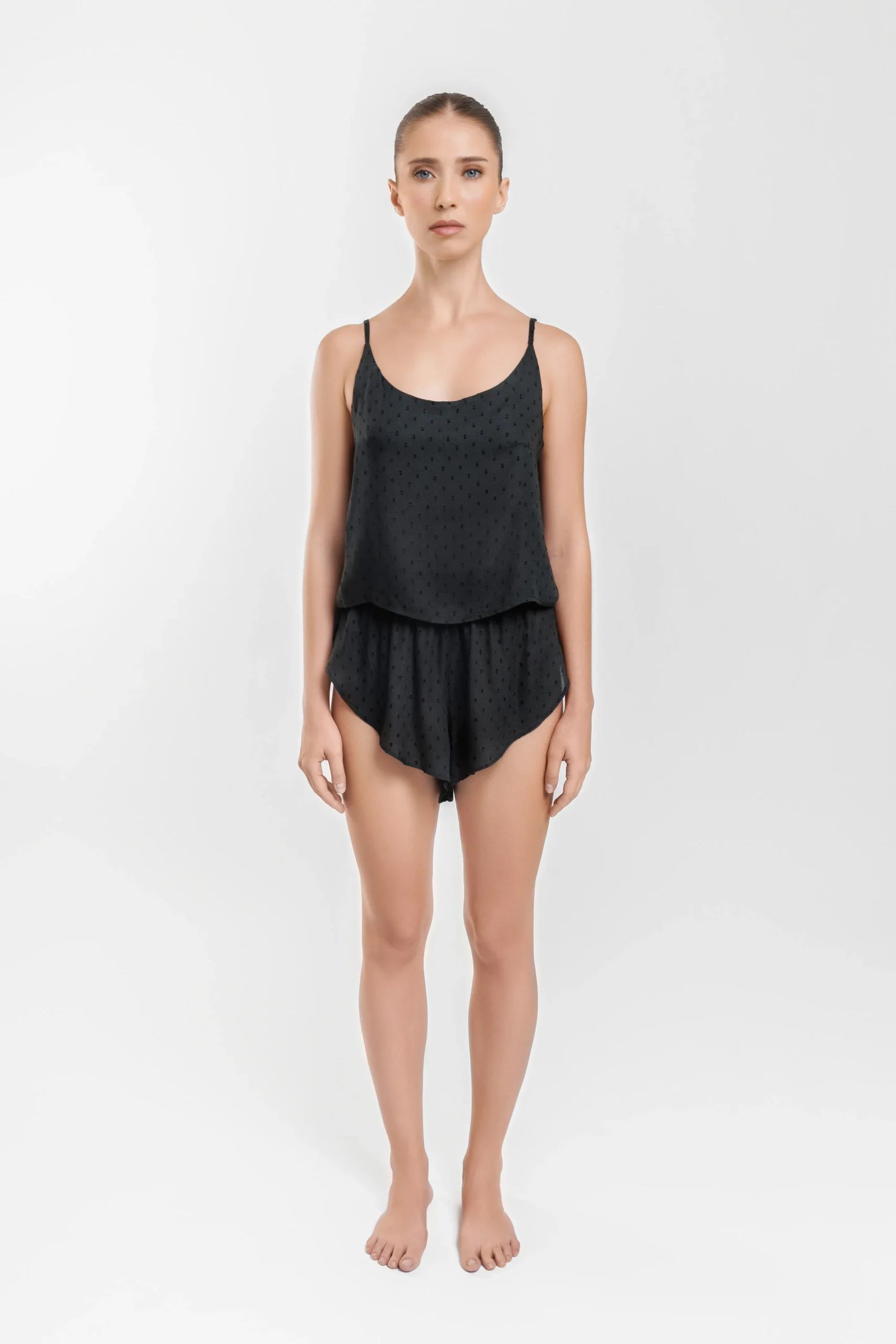
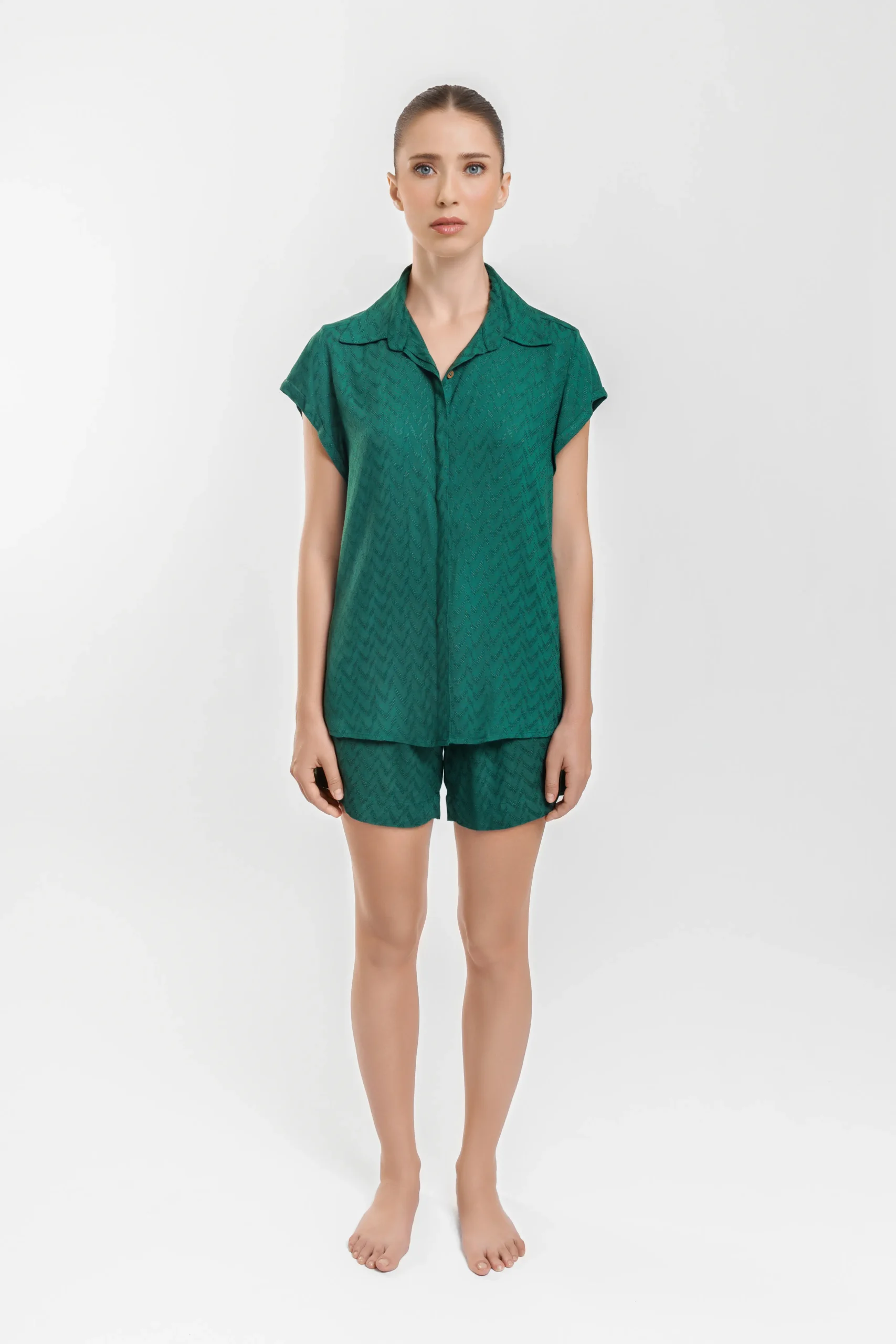
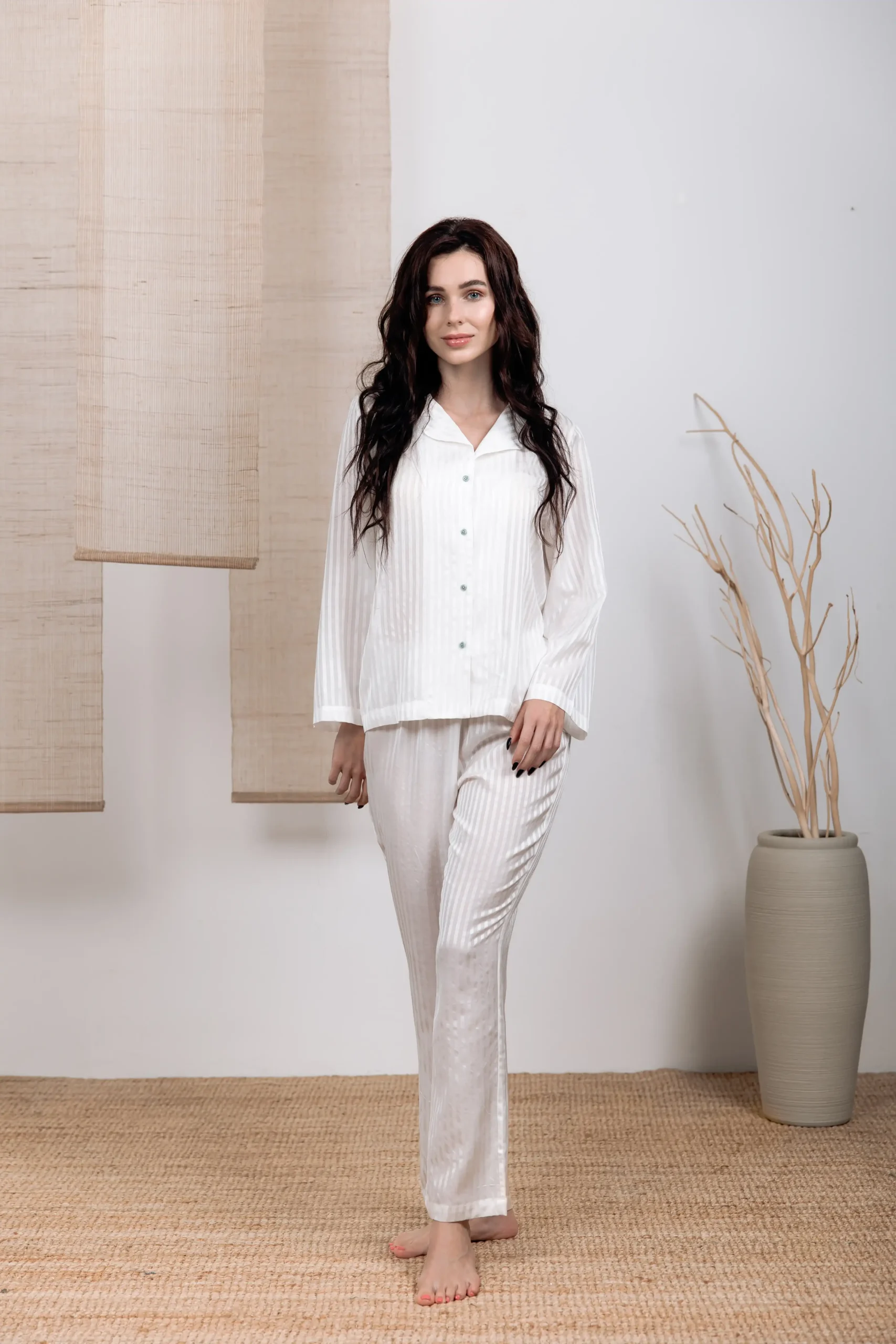
This awareness shows up in seemingly small choices. The fabrics that rest against skin for hours at a time: whether they breathe, whether they allow movement, whether they adapt to changing temperatures. The quality of air in indoor spaces. The presence or absence of natural light. The texture and composition of materials we touch repeatedly.
When these elements work with the body rather than against it, they create conditions for sustained comfort. Breathable materials that regulate body temperature. Spaces designed for airflow and natural ventilation. Seating that supports rather than strains. Opportunities for movement integrated into the day.
These factors might seem minor in isolation, but collectively they determine whether the body spends the day in a state of low-level stress or quiet ease, and whether wellness must be actively recovered at day’s end, or naturally maintained throughout.
Wellness as Continuity
The shift underway is less about transformation and more about continuity. Wellness is not something to achieve and complete, but something to sustain through the ordinary rhythms of daily life.
This understanding represents a return to something fundamental: the recognition that wellbeing is not separate from living, but integrated into it. It exists in the small, consistent choices that shape each day. In the attention paid to the body’s signals. In environments that either support or deplete. In the willingness to design routines that serve rather than strain.
What has changed is not the definition of wellness itself, but the relationship to it. Less urgent, more patient. Less prescriptive, more personal. Less about addition, more about integration.
When care becomes part of how we live, rather than something we must pursue separately, it settles naturally into the background of daily experience. It creates stable foundation, sustained comfort, and lasting balance.