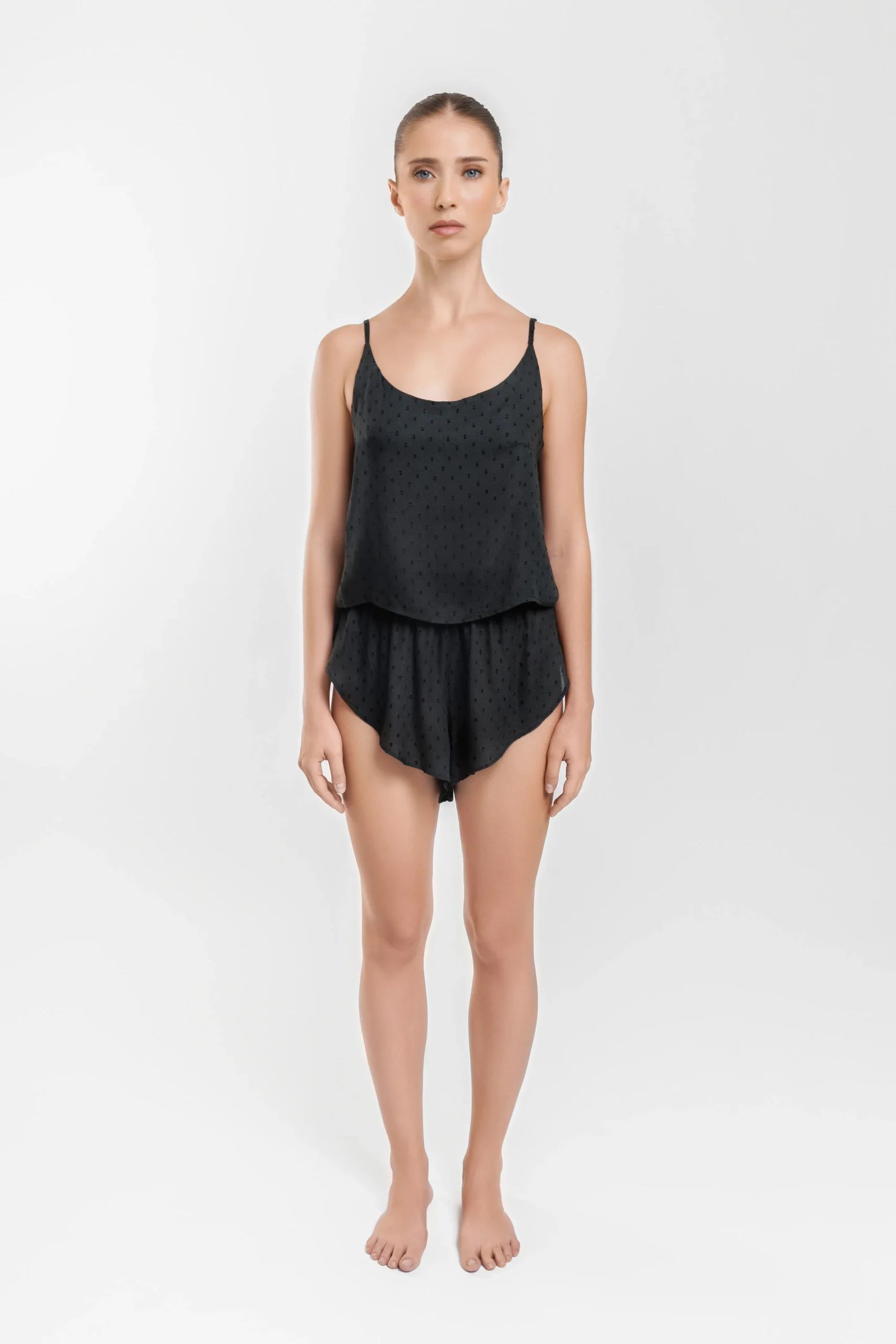
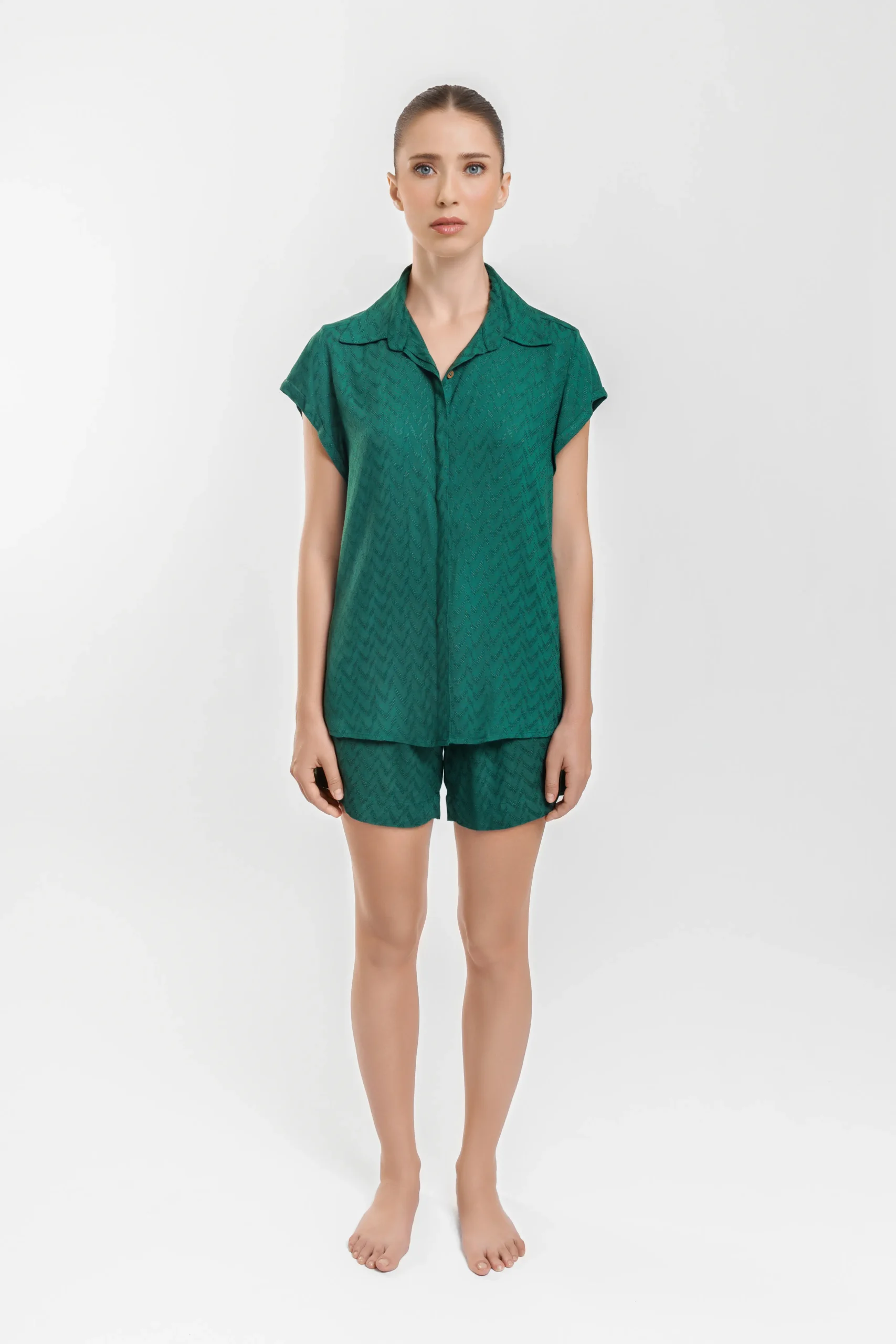
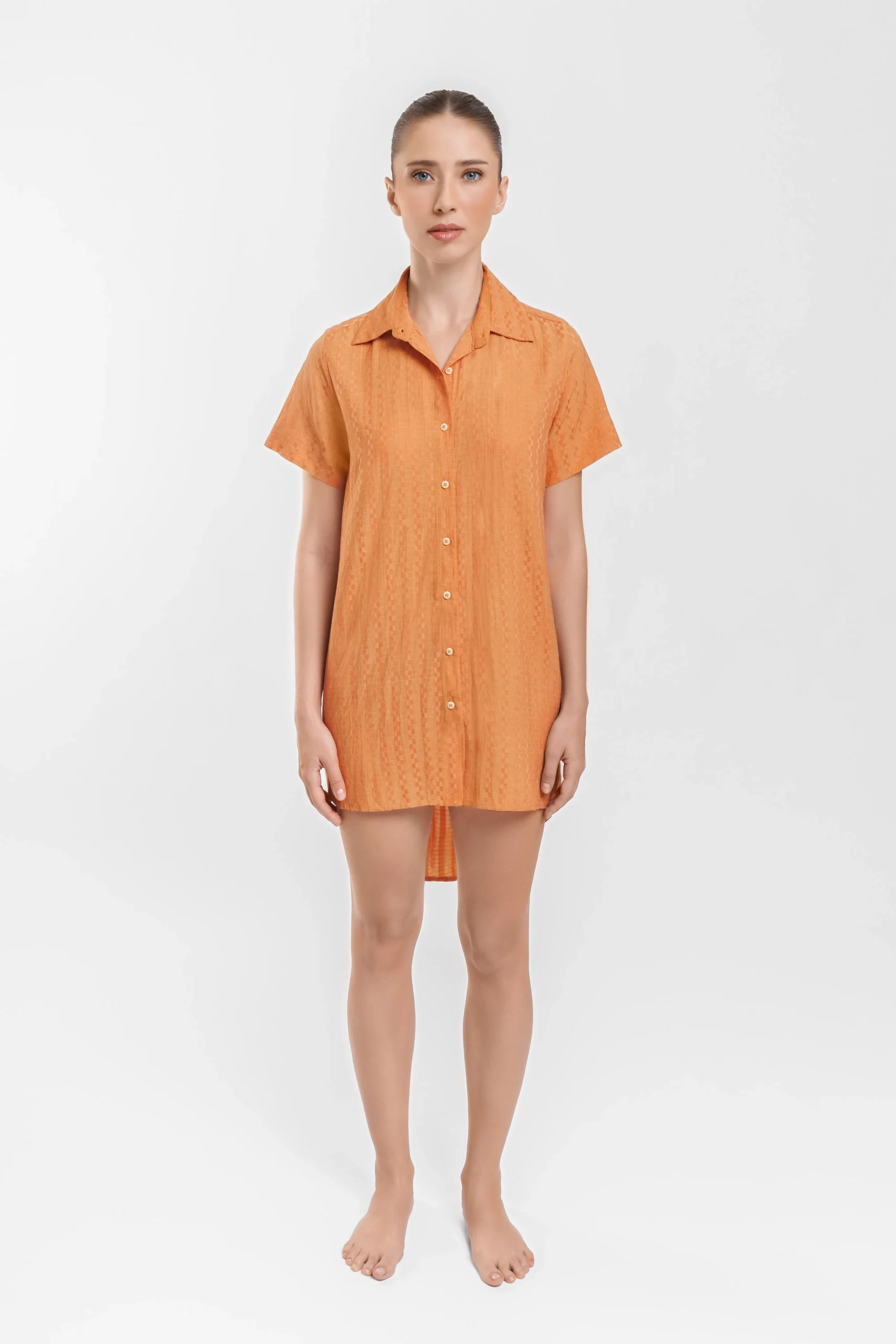
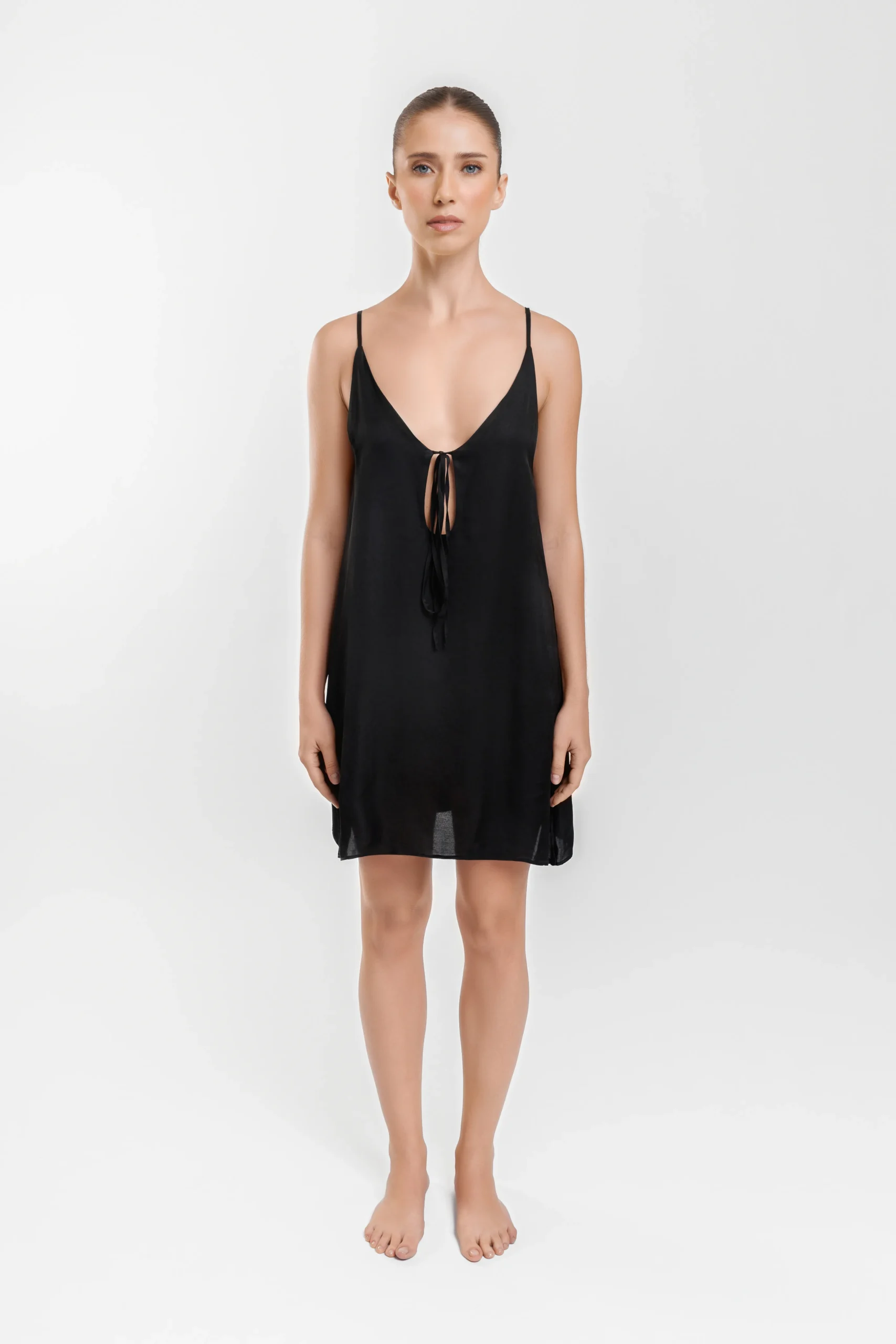
When people talk about comfort in clothing, they usually describe how fabric feels after several hours of wear – whether it stays fresh in warm weather, whether it allows the skin to breathe, or whether it becomes distracting over time. Increasingly, that awareness extends further: to how textiles interact with the body across a full day, from temperature regulation to sensory comfort and skin sensitivity, and to the relationship between the material worn closest to the skin and how the body responds to it.
One term that has entered this conversation is fabric frequency – the idea that different materials may carry different energetic signatures, and that those signatures may influence how we feel across the hours we spend inside them. It is an area of experimental study rather than settled science, but the questions it raises are worth exploring.
To understand it more fully, it helps to look at both: the study that first introduced the concept, and the conventional research that explains breathability, moisture balance, and skin health from the ground up.
The Origin of the Fabric Frequency Study
In 2003, Dr Heidi Yellen conducted a study exploring the idea that different materials emit measurable electromagnetic frequencies, and that the materials closest to the skin interact with the body’s own energy field in ways that may either support or diminish how the body feels.
The measurements were taken using the Ag-Environ environmental measuring device – an instrument originally designed to analyse agricultural commodities and plant vitality. Different textile samples were tested and assigned frequency values, measured in megahertz (MHz):
- Linen and wool: 5,000
- Organic cotton: 100
- Conventional cotton: 70
- Polyester and rayon: 15
The human body, by this measure, registers at around 100 MHz – closely aligned with organic cotton. Fabrics that measure significantly higher, such as linen or wool, may support the body’s energetic state when worn against the skin, while those registering much lower may have a diminishing influence on that balance.
These are interpretations drawn from instrument readings of the materials themselves – not from physiological observation of people wearing them, and not conclusions confirmed through clinical testing. The study was experimental, and the research has yet to be confirmed through peer-reviewed literature.
What it raises is a question rather than a conclusion: why do so many people, so consistently, find natural fabrics more comfortable, more grounding, and more supportive than synthetic ones?
How Fabric Works on the Skin
Conventional textile science offers part of the answer. Breathability is the word most people reach for when describing fabric comfort, but it covers several distinct processes that behave differently depending on the material. Three of them have a direct and measurable effect on the skin: how fabric handles moisture, how it manages heat, and the electrical charge it generates.
Moisture is the most immediate. Natural fibres absorb perspiration internally before releasing it outward, keeping the layer of air between fabric and skin relatively stable. Synthetic fibres handle moisture differently – moving liquid across the surface rather than absorbing it. This spreading can support faster evaporation overall, but the humidity that builds against the skin has nowhere to go, leaving it feeling warm and sticky through prolonged wear.
Heat is the second dimension. Wool, in particular, absorbs and releases heat gradually, keeping the body at a more even temperature through changes in activity and environment – a property that cotton, viscose, and polyester do not share.
Electrical charge is where the conversation moves into less familiar territory. Synthetic materials generate static electricity through friction — the kind that builds up as fabric moves against skin through ordinary wear. This static charge disrupts the skin’s moisture barrier, a process that dermatological research measures through transepidermal water loss (TEWL). This may contribute to dryness and irritation, and for people with sensitive skin or eczema, the effect is more immediate and harder to ignore.
All three operate continuously, from the moment a garment is put on to the moment it comes off.
The Chemical Layer: What Fabric Actually Contains
Breathability and fibre type are only part of the picture. There is another dimension that deserves more attention in conversations about clothing: the chemical load that textiles carry long after they leave the factory.
Fabrics can carry residues from the treatments applied during manufacturing – dyes, finishing agents, flame retardants, wrinkle-resistant resins, and antimicrobial coatings among them. These chemicals are introduced at multiple stages of production, and many do not fully wash out. Several of them, including certain dyes and trace heavy metals, are capable of penetrating the skin’s outer layers with prolonged contact.
Formaldehyde is among the most well-documented. Used since the 1950s in wrinkle-resistant and durable-press fabric treatments, it has been linked to skin irritation and allergic contact dermatitis, particularly in garments worn directly against the skin. Azo dyes, which account for 60–70% of fabric colorants, can break down in contact with skin and release compounds that carry carcinogenic classification.
The question to ask when choosing clothing for skin health goes beyond fibre type. It extends to the full journey of a garment – how it was dyed, finished, and treated. A natural fibre poorly processed can carry as much chemical burden as a synthetic one. Choosing well means paying attention to the whole journey of a garment, from the field to the finished product, and seeking out brands that are transparent about every step of it.
The Enduring Appeal of Natural Textiles
People have worn clothes from natural fibres for thousands of years. The body has always known the difference. Breathability, moisture adaptability, and how fabric feels through hours of wear have long shaped what people reach for , especially in climates where staying cool and comfortable throughout the day matters.
Natural fibers, when processed with minimal chemical intervention, offer something different. Linen, one of the oldest cultivated fibers, is breathable and moisture-absorbent, becoming softer with every wash. Hemp requires little agricultural intervention and produces a durable, breathable fabric that wears comfortably through the day. Organic cotton is soft, gentle, and free from the pesticide residues that conventional cotton processing can carry.
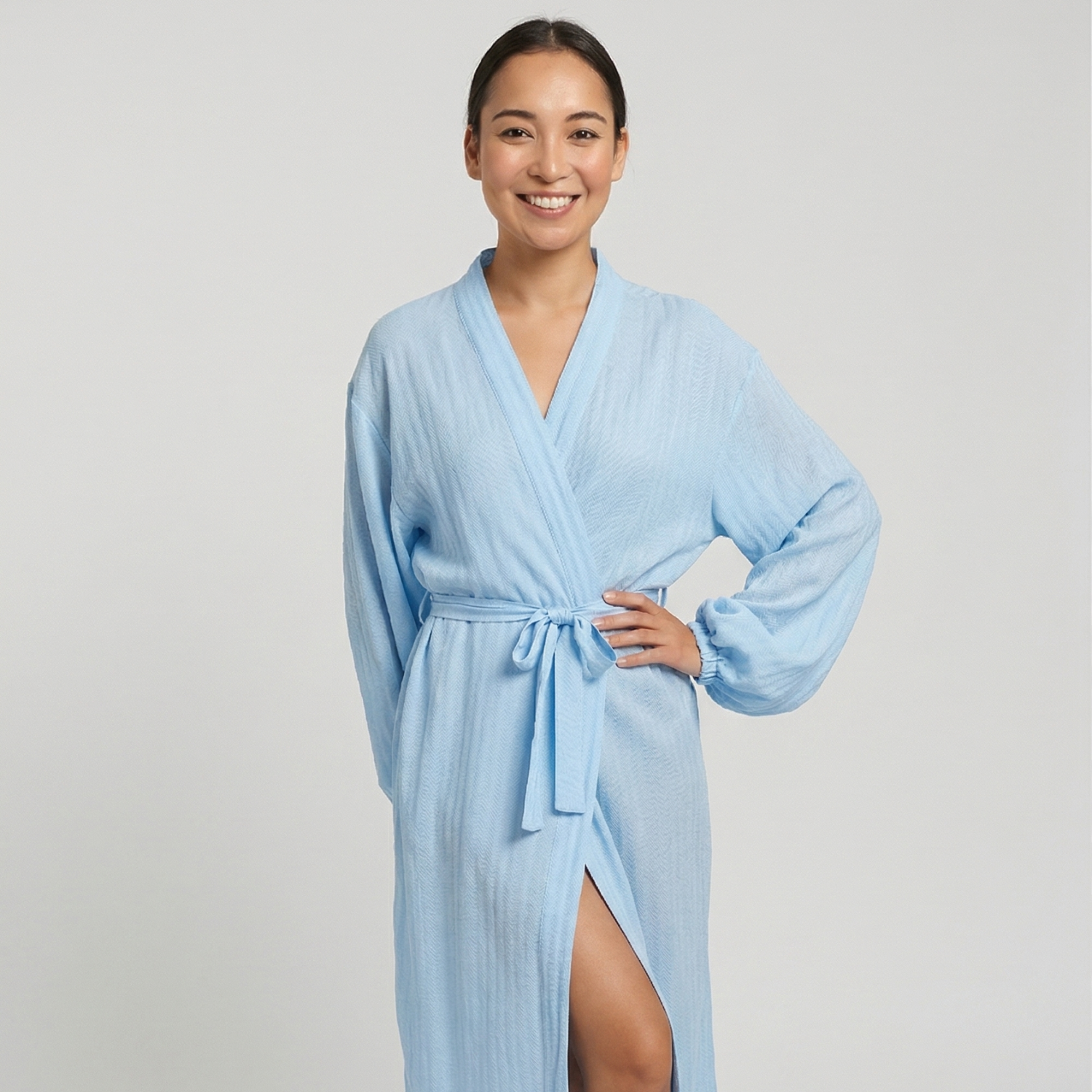
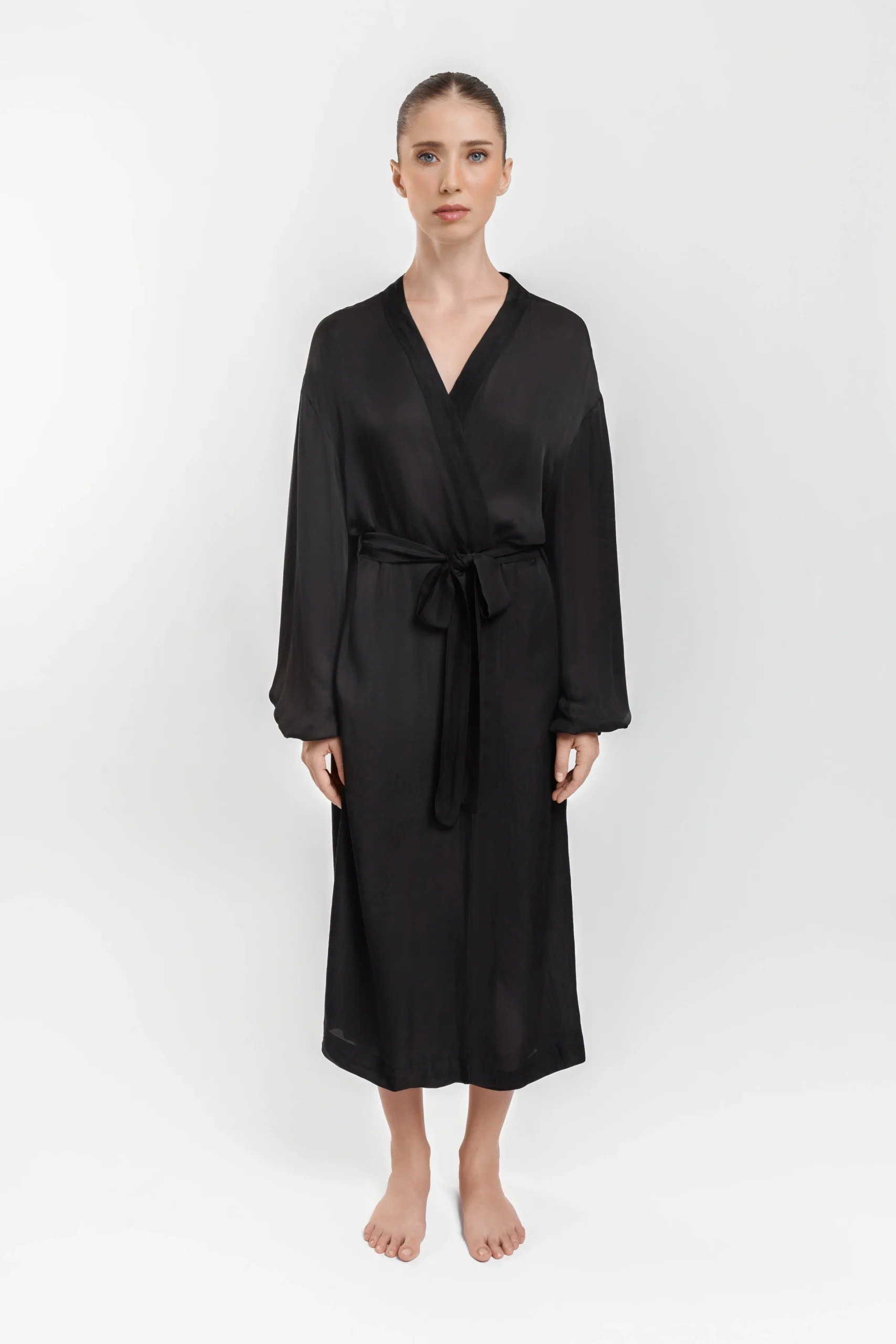
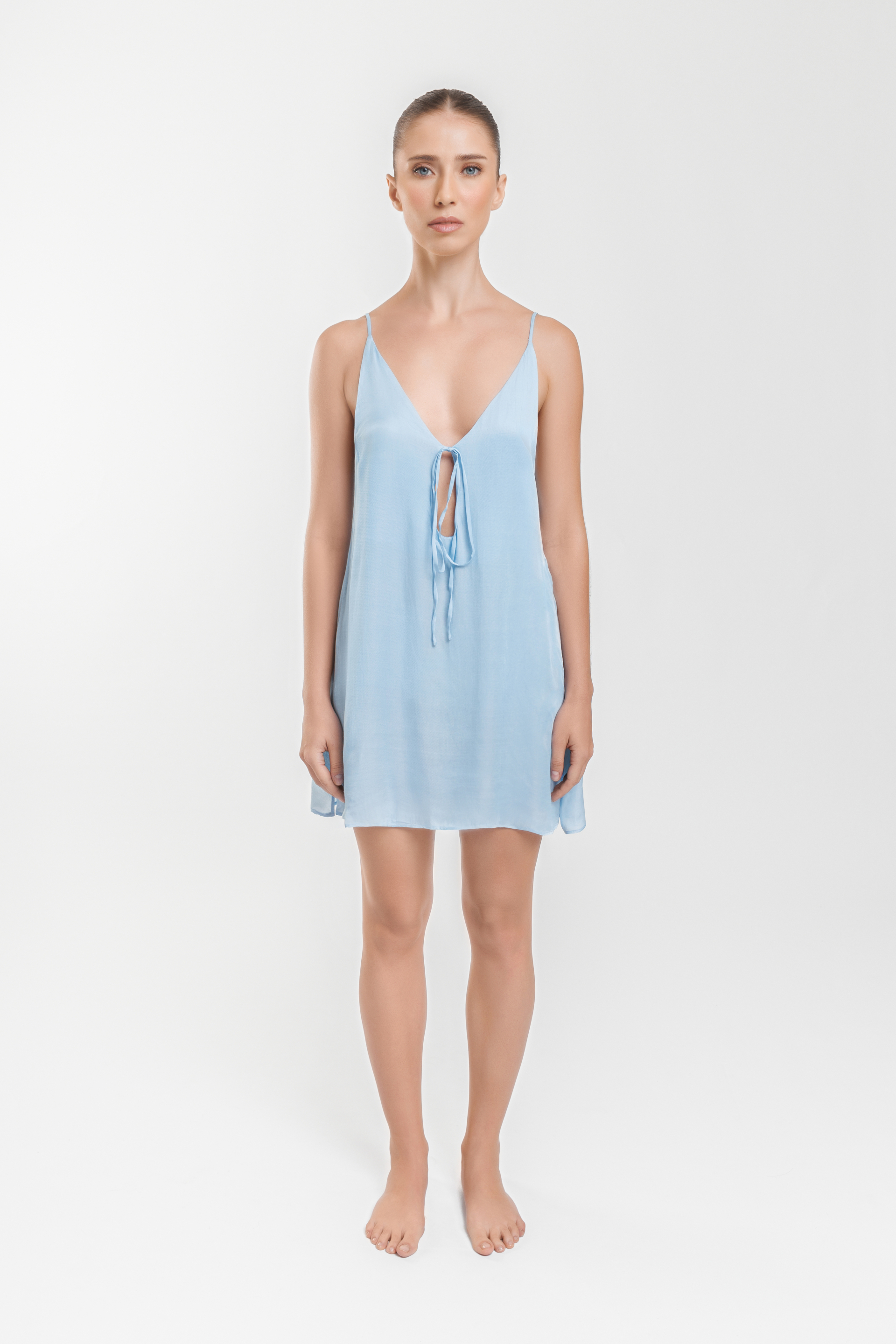
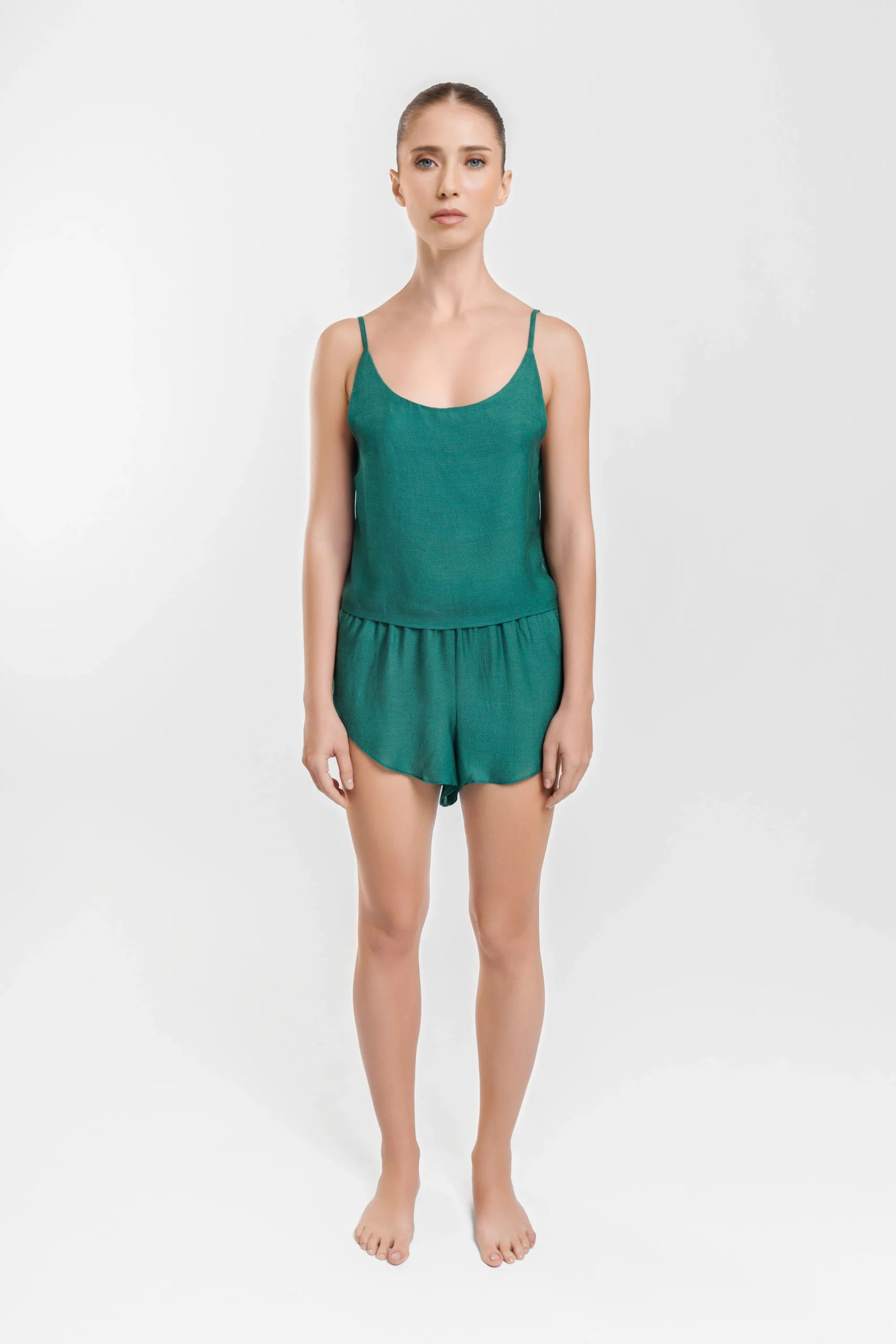
Alongside linen, cotton, and hemp, there are botanical fabrics that fewer people have encountered – many of them are born as byproducts of the food and cosmetic industries, each bringing its own properties and a distinct kind of comfort to the skin. Here to highlight a few of them:
Each of these fabrics comes from a different botanical source and carries its own character. What they share is the feeling of wearing something light, soft, and breathable – bringing comfort to the skin throughout the day.
A Thoughtful Way Forward
The science of fabric frequency is still accumulating. What it opens up, for now, is an invitation to look more closely at the materials closest to the body, and to bring a different kind of attention to choices made every day.
Clothing interacts with the body from morning to night. If you sleep in synthetic nightwear and wake up with dry or irritated skin, that connection is worth sitting with. If certain fabrics feel draining by mid-afternoon, that discomfort is information. If someone in your household with eczema or sensitive skin responds differently to different materials, those responses deserve the same attention.
Practice, at its core, is a simple one: noticing what the body finds comfortable, observing how different materials feel across a full day, and learning to read those signals as something meaningful rather than incidental. Preference, approached with that kind of attention, becomes awareness.
The Takeaway
If fabric frequency is a new idea, the most natural place to begin is also the most practical. Spend one week paying close attention to how your skin feels in different materials across the full arc of a day, from morning through to evening. Notice whether synthetic and natural fibres produce different experiences: in comfort, in energy, in how your skin feels as the day unfolds, and in how you carry yourself through hours of wear.
The body has been responding to what it wears for as long as people have worn clothing. It notices more than we typically give it credit for. Approaching those signals with curiosity, rather than habit or hurry, is where this kind of awareness begins.